Asia stocks climb tracking Wall St rally; Nikkei hits record high, China GDP beats
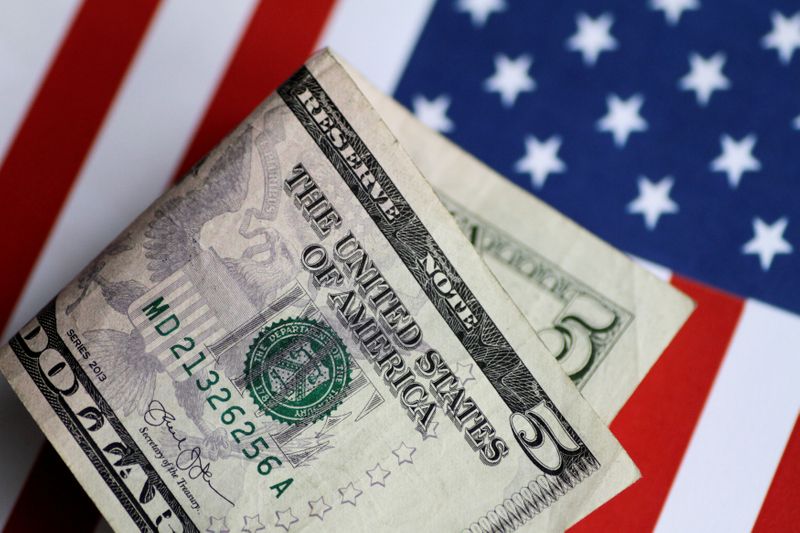
Investing.com - Goldman Sachs reports the trade-weighted dollar has strengthened roughly 2% since the start of the war with Iran, driven by higher energy prices and their impact on terms of trade across currencies.
The firm notes that broader market moves month-to-date suggest investors are focusing more on the boost to inflation than the hit to growth, as U.S. equities have remained resilient and yields have increased across the curve.
At the end of last week, rising recession concerns moved closer to the forefront, with growing outperformance of the yen and underperformance of high-beta currencies that tend to benefit from higher energy prices, including the Canadian dollar, Australian dollar and Brazilian real.
Goldman Sachs’ baseline forecasts assume a normalization of Strait of Hormuz flows by late April, and markets also appear to be pricing a swift de-escalation. The firm says risks remain skewed toward higher prices and global growth fears having as much impact as inflation fears on markets without that normalization.
The firm recommends short EUR/USD positions as an effective hedge for higher natural gas prices, as seen over recent weeks. Goldman Sachs also suggests short EUR/CHF should be a more effective hedge than in the first few days of the current shock, as the Swiss National Bank likely becomes less inclined to limit currency strength under more persistent inflationary pressures.
Goldman Sachs expects the dollar should still weaken over time, but the latest strength can extend until the energy shock looks closer to the end than the beginning. The firm says if rising recession risk becomes the biggest concern, the yen should more clearly exhibit its traditionally inverse beta to risk, with USD/JPY expected to fall.
This article was generated with the support of AI and reviewed by an editor. For more information see our T&C.